

Introduction
Dental implants are increasingly becoming a popular solution for individuals seeking to restore their smiles and improve their oral health. These implants not only serve the aesthetic purpose of filling gaps from missing teeth, but they also offer functional benefits, allowing patients to chew food with ease and maintain their jawbone structure. As the demand for dental procedures continues to rise, many individuals are looking beyond their home countries for comprehensive and cost-effective solutions; this has led to a surge in dental tourism.
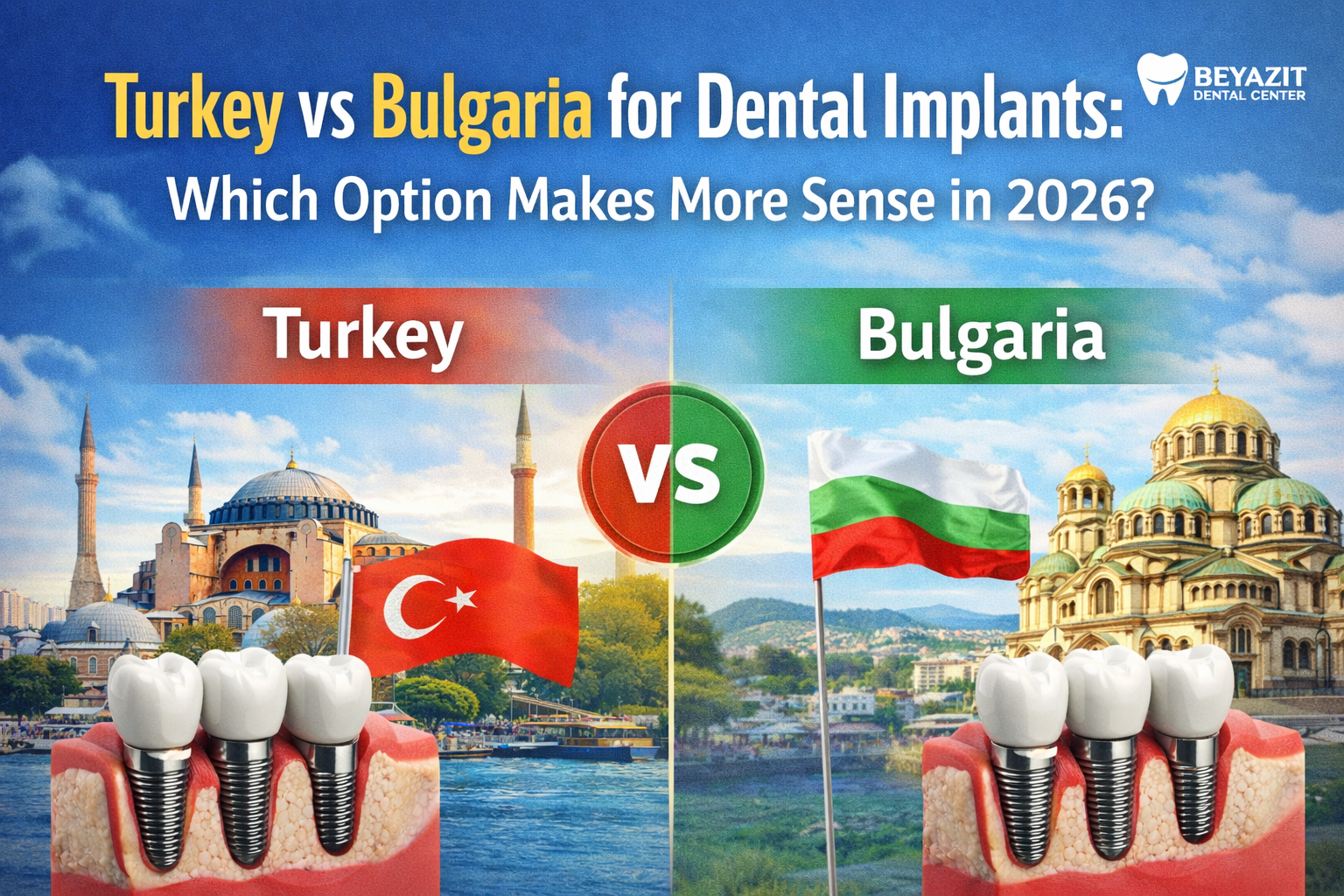
Among the prominent destinations that have emerged in recent years are Turkey and Bulgaria, both of which are recognized for providing affordable dental implants. In 2026, it is essential to evaluate these two countries, considering their healthcare standards, the experience of dental professionals, and the overall patient experience. Such comparisons can help potential patients make informed decisions regarding the best option for dental implants.
Turkey has established itself as a leading hub for dental implants, attracting thousands of international patients each year with its advanced medical facilities and highly qualified practitioners. The country’s rich cultural heritage and tourist attractions further enhance its appeal. On the other hand, Bulgaria also offers attractive pricing along with a growing reputation for dental quality, attracting those searching for affordable dental implants in Europe. Their proximity within the continent means that both options are easy to access for many patients seeking dental care abroad.
As the landscape of dental tourism evolves, understanding the nuances between Turkey and Bulgaria concerning dental implants becomes crucial. Factors such as cost, quality of care, and patient satisfaction will play significant roles in determining the best choice for individuals considering where to undergo dental procedures.
Overview of Dental Implants
Dental implants are artificial structures designed to replace missing teeth. They consist of three primary components: the implant itself, which is surgically placed into the jawbone; the abutment, which connects the implant to the crown; and the crown, the visible part of the tooth that is custom-made to match the natural teeth. This innovative solution mimics the look and function of natural teeth, making it a preferred choice among patients seeking to restore their smiles.
The benefits of dental implants are numerous. Firstly, they provide a stable, long-term solution for tooth loss that enhances both function and aesthetics. Patients can enjoy healthier eating habits and improved confidence, as dental implants alleviate the pain and discomfort often associated with traditional dentures. Furthermore, implants help preserve jaw bone and facial structure by preventing bone loss that occurs when teeth are missing.
There are several types of dental implants, including endosteal implants, which are placed directly into the jawbone, and subperiosteal implants, which are positioned under the gum but above the jawbone. The choice depends on individual factors, including the patient’s bone density and overall oral health. The materials used for dental implants significantly influence longevity and biocompatibility. Titanium is a common choice due to its strength and ability to fuse with bone, although newer materials like zirconia are emerging as viable alternatives for aesthetic considerations.
Overall, understanding the various types of implants, their benefits, and the surgical procedure will aid patients in making informed decisions about their dental health. For those considering options abroad, comparing dental implants in Turkey vs Bulgaria may also provide affordable dental implants in Europe, especially for those engaged in dental tourism.
Why Consider Turkey for Dental Implants?
Turkey has emerged as a leading destination for dental implants, attracting numerous patients seeking both quality and affordability. One of the primary reasons why people consider dental implants Turkey is the significant cost advantage it offers. Compared to countries in Europe, including Bulgaria, patients can save a considerable amount on their dental procedures without compromising on quality. This cost-effectiveness is a major factor in the growing trend of dental tourism Turkey vs Bulgaria, making Turkey an appealing option for those looking to improve their smiles.
Another aspect that enhances Turkey’s reputation in this sector is the quality of care provided. Many Turkish clinics are equipped with state-of-the-art technology, ensuring that patients receive advanced and effective treatments. Dental clinics in Turkey adhere to international standards, offering services that are on par with those found in Western countries. The state-of-the-art facilities and innovative approaches add to the attractiveness of affordable dental implants Europe, specifically in Turkey.
Experienced practitioners are also a key factor in Turkey’s dental implant market. Many dentists and oral surgeons in Turkey have extensive training and experience, often having practiced abroad or in clinics with high international recognition. This expertise means that patients can trust their procedures are being performed by skilled professionals. When you compare dental implants abroad, Turkey stands out due to its well-regarded medical professionals and an established reputation in dental care.
In addition to affordability and quality, the cultural richness and hospitality of Turkey can make the overall patient experience more enjoyable. Many patients find that combining their dental treatment with a holiday contributes positively to their journey, making Turkey a desirable destination in the compare dental implants abroad conversation.
Why Consider Bulgaria for Dental Implants?
When evaluating options for dental implants, particularly through the lens of affordable dental implants in Europe, Bulgaria emerges as an increasingly attractive choice. One of the primary reasons for considering Bulgaria is its affordability. The costs associated with dental implants in Bulgaria are notably lower when compared to those in many Western European countries. This budget-friendly approach does not come at the expense of quality, as Bulgaria has been making significant strides in enhancing its dental care standards.
Moreover, Bulgaria is gaining a reputable status in the realm of quality dental care. Many dental clinics in the country are equipped with advanced technologies and staffed by highly qualified professionals, often trained abroad. As patients seek to compare dental implants abroad, Bulgaria stands out due to its blend of effective treatment and economical pricing. Numerous testimonials and reviews highlight positive patient experiences, further underpinning Bulgaria’s rising status in the dental tourism landscape.
A crucial factor that bolsters the appeal of dental implants in Bulgaria is its geographical proximity to other European nations. It is easily accessible, making it a convenient option for those traveling from different parts of Europe. Proximity not only reduces travel expenses but also facilitates a more straightforward planning process for patients who may require follow-up visits.
Furthermore, the Bulgarian government has taken proactive measures to encourage dental tourism. Regulations have been established to support the growth of this sector, including simplified visa processes and increasing investments in healthcare infrastructure. These factors combine to create a welcoming environment for international dental patients seeking quality and affordability.
In summary, choosing Bulgaria for dental implants presents numerous advantages, such as cost-effectiveness, the burgeoning reputation for quality care, geographic convenience, and supportive governmental policies. These elements make it a compelling choice for those looking to maximize their dental investment in 2026.
Comparative Cost Analysis
When considering dental implants, the cost is often a primary factor that influences patients’ decisions. In this analysis, we delve into the expenses associated with dental implants in Turkey and Bulgaria, two popular destinations for dental tourism.
On average, the cost of dental implants in Turkey ranges from $300 to $900 per implant. This pricing typically includes the surgical procedure and, in many cases, a crown. Such affordability contributes significantly to Turkey’s popularity among those seeking affordable dental implants in Europe. Furthermore, when considering travel expenses, many package deals are available, which can cover both the procedure and accommodation, making it a cost-effective option for international patients.
In contrast, the cost of dental implants in Bulgaria generally falls within the range of $400 to $1,100 per implant. Similar to Turkey, many clinics in Bulgaria offer comprehensive packages that include additional services such as transportation and aftercare. However, it is essential for patients to account for any unexpected fees, such as consultations or diagnostic imaging, which can add to the total expense.
Beyond the direct costs of the dental procedures, potential insurance considerations should be taken into account. Patients should check with their insurance providers to determine if any part of the costs associated with dental implants abroad can be reimbursed. This can vary widely depending on the specifics of individual plans and the extent of coverage for overseas dental treatments.
In conclusion, while both Turkey and Bulgaria offer competitive pricing for dental implants, understanding the overall cost structure—including travel, accommodation, and insurance—is crucial in making an informed decision. A thorough comparison of dental implants abroad will ultimately lead to a choice that aligns with personal budget and expectations.
Quality of Care and Dentist Qualifications
The quality of care and the qualifications of dental professionals are paramount factors to consider when evaluating dental implants in different countries. In the comparison between Turkey and Bulgaria for dental implants, both countries offer distinct advantages, but they differ significantly in their standards and practices.
In Turkey, the dental tourism sector has rapidly expanded, attracting countless international patients seeking affordable dental implants. Many dentists in Turkey hold advanced degrees from reputable universities, and several are specialized in implant dentistry. The clinics often boast modern equipment and adhere to international standards. Numerous Turkish clinics are accredited by bodies such as the Turkish Ministry of Health, which emphasizes adherence to strict healthcare regulations. Patient reviews frequently highlight the professionalism and expertise of the dental teams, reflecting high levels of satisfaction after procedures.
Bulgaria, on the other hand, also has a well-established market for dental implants. The dentists here often obtain their qualifications from European universities and participate in ongoing education to keep pace with the latest advancements in dental care. Bulgarian clinics also receive accreditation and are known for traditional approaches to patient care, which some patients prefer for its emphasis on personal interaction. Reviews reveal that patients appreciate the thoroughness and attention to detail provided by practitioners in Bulgaria, alongside competitive pricing for dental implants.
When comparing dental implants abroad, both Turkey and Bulgaria present viable options. Turkey is often perceived as being at the forefront of dental tourism due to the combination of lower costs and higher patient flow, while Bulgaria is celebrated for its strong regulatory framework and skilled practitioners, making it a reliable option for dental care. Each location offers affordable dental implants in Europe, yet it is essential to evaluate individual clinics, read patient testimonials, and consider certifications before making a decision.
Patient Experience and Aftercare
When considering dental implants, both Turkey and Bulgaria are becoming increasingly popular destinations due to their advanced dental care services and competitive pricing. Patients embarking on this journey can expect a comprehensive experience that begins with thorough pre-operative consultations. These consultations typically involve an initial assessment of the patient’s oral health, discussions about various implant options, and a detailed overview of the procedures involved. Clinics in Turkey and Bulgaria emphasize transparency, ensuring patients are fully informed about what to expect before undergoing dental implants.
Following the decision to proceed, the patient experience often continues with personalized treatment plans tailored to individual needs. A crucial aspect of this journey is the accessibility of staff who are readily available to answer questions or address concerns that may arise, both pre- and post-surgery. Clinics often provide multilingual support, enhancing comfort levels for international patients—especially true for those traveling from countries with less accessible dental care.
Post-operative care is another significant consideration in the dental tourism debate. In both Turkey and Bulgaria, aftercare plans include follow-up appointments to monitor healing and address any potential complications. Patients can generally expect a streamlined process for these follow-ups, which may occur remotely via video calls, allowing patients abroad to receive ongoing support without the need for long-distance travel. Overall, patient satisfaction remains high in both countries, as many individuals rave about the quality of care and attention received throughout their dental implant journey. Those seeking affordable dental implants in Europe often find that both Turkey and Bulgaria not only meet but exceed their expectations in patient experience and aftercare.
Travel Considerations
When contemplating dental implants abroad, specifically comparing the options in Turkey and Bulgaria, understanding the travel logistics is crucial for potential patients. Both countries are popular destinations for dental tourism due to their affordability and quality of care, yet the processes and experiences can differ significantly.
In terms of ease of travel, Turkey, with its major city Istanbul serving as a global hub, benefits from numerous direct flights connecting to various countries. Istanbul Airport is one of the largest in the world, providing efficient transit opportunities for international travelers. Conversely, flights to Bulgaria typically land in Sofia, which may have fewer direct options depending on where you are flying from, potentially making travel less convenient.
Regarding visa requirements, Turkey’s visa policy varies based on nationality, with many travelers eligible for an e-Visa, simplifying the entry process. Bulgaria, as an EU member, adheres to stricter visa regulations, which could pose an inconvenience for non-EU travelers. Understanding these requirements is essential to avoid any travel hiccups during your dental journey.
Accommodation options are plentiful in both countries, but Turkey often offers a wider range of luxury as well as budget-friendly hotels. In cities like Antalya or Izmir, one can find amenities suited for dental tourists, including proximity to clinics that perform dental implants Turkey practices. In comparison, Bulgaria offers competitive pricing and comfortable stays, particularly in cities like Plovdiv and Varna, appealing to those seeking affordable dental implants Europe-wide.
Language can also pose a challenge; while English is widely spoken in many Turkish clinics, healthcare professionals in Bulgaria may have varying levels of proficiency. Communicating effectively about your dental needs is paramount, enhancing the overall experience.
Conclusion and Recommendations
In light of the detailed comparison between dental implants in Turkey and Bulgaria, several key factors emerge that potential dental tourism patients should consider before making a decision. Both countries offer competitive pricing and a range of high-quality dental services; however, subtle differences can influence the overall experience.
When considering the turkey vs bulgaria dental implants discussion, it is essential to note that Turkey generally leads in the affordability and accessibility of dental procedures, reinforced by robust marketing strategies that promote dental tourism. Many patients are drawn to Turkey seeking affordable dental implants in Europe without compromising quality. Additionally, Turkey’s vast experience in treating international patients means many clinics cater specifically to global standards, making the process smoother.
On the other hand, Bulgaria’s dental care is often regarded as an emerging alternative, featuring cost-effective procedures with highly skilled professionals. The cost of dental implants Bulgaria can be equally appealing to those looking to manage their dental expenses while receiving quality treatment. Moreover, the geographical proximity to many European countries makes it a convenient option for patients from the region.
Ultimately, patients should assess their personal needs, budget, and desired outcomes when deciding between Turkey and Bulgaria. Recommendations include conducting thorough research on clinics, reading patient testimonials, and verifying certifications and experience of dental professionals. Furthermore, potential patients are encouraged to consult with clinics to discuss their specific requirements and treatment options.
In conclusion, both Turkey and Bulgaria offer valuable options for dental implants, demanding careful consideration of their respective advantages. By understanding the nuances of each destination within the context of compare dental implants abroad, prospective patients can make informed decisions that best suit their circumstances and expectations.
 EN
EN  BG
BG  DE
DE  FR
FR