

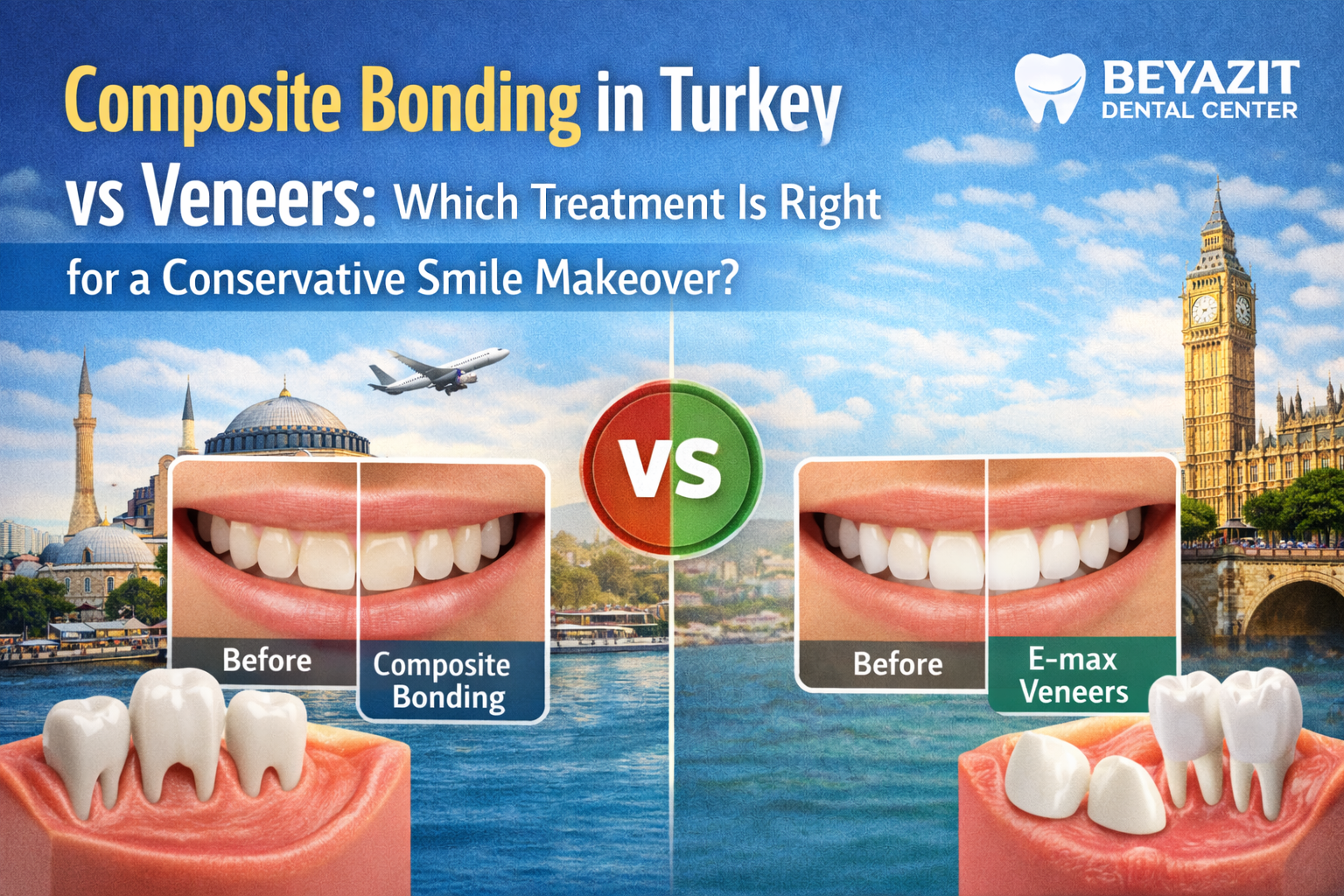
Introduction to Smile Makeovers
Smile makeovers have emerged as a vital aspect of aesthetic dentistry, offering individuals an opportunity to enhance their smiles and boost their confidence. These treatments can significantly improve the appearance of one’s teeth, leading to increased self-esteem and a more positive social interaction. A smile makeover typically involves a combination of cosmetic dental procedures that may include teeth whitening, dental implants, composite bonding, and veneers. The goal is to create a harmonious smile that suits the patient’s facial structure and personal aesthetic preferences.
Among the various treatments available, composite bonding and veneers stand out as two popular options for achieving a beautiful smile. Composite bonding, often regarded as a minimally invasive cosmetic dentistry treatment, is designed to fill in gaps, repair chips, and enhance the overall shape and color of the teeth. This method utilizes a tooth-colored resin that can be sculpted to achieve the desired look while preserving as much of the natural tooth structure as possible.
On the other hand, veneers offer a different approach. These thin shells of porcelain or resin are bonded to the front surface of the teeth, providing a complete transformation of their appearance. Veneers are often chosen for their ability to dramatically change the color, shape, and alignment of teeth, offering a smile makeover that results in a more uniform appearance.
In the landscape of aesthetic dentistry, both composite bonding in Turkey and veneers present their unique advantages. As patients explore their options for bonding treatment in Turkey, understanding the distinctions between veneers and composite bonding becomes crucial for making informed decisions regarding their dental care. This comparison will not only assist individuals in selecting the right treatment for their needs but will also facilitate a broader understanding of cosmetic dentistry’s potential in enhancing one’s smile.
What is Composite Bonding?
Composite bonding is a conservative dental procedure that aims to enhance the aesthetics of a patient’s smile while minimizing the need for more invasive methods. In essence, the procedure involves applying a tooth-colored composite resin, which is a mixture of plastic and glass, directly to the affected tooth or teeth. This material is specifically designed to mimic the natural appearance of enamel, making it an ideal choice for aesthetic dentistry.
The procedure begins with the dentist assessing the condition of the teeth that require treatment. Once the evaluation is complete, the dentist prepares the tooth surface by cleaning it thoroughly and etching it lightly to ensure better adhesion of the composite material. After this preparation, the composite resin is applied in layers. Each layer is carefully shaped and polished to achieve the desired contour and color. This method not only repairs minor imperfections such as chips and gaps but can also improve the overall symmetry of the smile.
One of the standout advantages of composite bonding treatment in Turkey is that it can typically be completed within a single appointment, making it an efficient option for those seeking a quick aesthetic improvement. Additionally, since it is considered a minimally invasive cosmetic dentistry technique, there is little to no removal of the natural tooth structure involved. This factor plays a significant role in its appeal, especially for individuals hesitant about more drastic options like veneers. Therefore, when considering a smile makeover in Turkey, composite bonding may serve as a beneficial alternative, offering immediate enhancement without the extensive commitment associated with other cosmetic procedures.
Understanding Veneers
Veneers are ultra-thin custom-made shells, typically made from porcelain or composite resin, designed to cover the front surface of teeth. They offer a remarkable solution in aesthetic dentistry, allowing individuals to achieve a bright, even, and natural-looking smile. The crafting of veneers requires a careful consultation with dental professionals to determine both the aesthetic goals and the specific requirements of each patient.
The application of veneers generally begins with the surface of the teeth being slightly reduced to accommodate the thickness of the veneers. This minimally invasive cosmetic dentistry procedure ensures that the veneers adhere properly and do not protrude. Afterward, an impression of the teeth is taken and sent to a dental laboratory where the veneers are meticulously crafted. Upon completion, they are bonded to the teeth using a strong adhesive, ensuring durability and resilience.
One of the key benefits of choosing veneers over composite bonding is their aesthetic longevity and strength. Veneers are resistant to stains, making them an excellent option for individuals with discoloration concerns. Furthermore, they can effectively address issues like gaps, chips, and uneven teeth, providing a comprehensive smile makeover.
The durability of veneers extends their lifespan, as they can last between 10 to 15 years with proper care. This longevity presents a practical perspective for many patients considering treatments such as bonding treatment in Turkey. While both veneers and composite bonding can enhance one’s smile, veneers are often preferred for their superior aesthetic results and resistance to wear and tear.
Comparison of Procedures
When considering a smile makeover in Turkey, two popular options for enhancing one’s dental appearance are composite bonding and veneers. Each procedure varies in its application, preparation, and duration, making it crucial for patients to understand the differences to choose the most suitable treatment.
Composite bonding is a minimally invasive cosmetic dentistry procedure that involves the application of a tooth-colored resin material to the existing teeth. The process generally begins with the dentist preparing the tooth surface, which may not require significant alteration. After ensuring the tooth is clean and slightly roughened for better adhesion, the composite resin is shaped and molded directly onto the tooth. This bonding treatment in Turkey is relatively quick, typically completed within 30 to 60 minutes per tooth.
In contrast, veneers involve a more extensive preparation process. Veneers are thin porcelain shells custom-designed to fit over the front of the teeth. The initial step includes a thorough examination and, often, X-rays. Before placing veneers, the dentist prepares the tooth by removing a small amount of enamel. This stage is critical to ensure a natural fit and appearance. After preparing the teeth, impressions are taken to craft the veneers, which can take one to two weeks to be fabricated in a dental laboratory. Once the veneers are ready, they are bonded to the teeth using a strong adhesive, a procedure that may take an additional hour per tooth.
In conclusion, while both composite bonding and veneers offer distinct advantages for patients seeking aesthetic improvements, understanding the procedural differences can aid in selecting the best option for achieving a beautiful smile. Composite bonding is ideal for those seeking quicker results with a less invasive approach, while veneers provide a longer-lasting and more durable solution for comprehensive smile enhancement. Patients should consult with professionals in aesthetic dentistry in Turkey to make an informed choice aligned with their needs.
Cost Analysis of Treatments in Turkey
When exploring options for a smile makeover in Turkey, understanding the cost implications is essential. Composite bonding and veneers are two popular choices in the realm of aesthetic dentistry in Turkey, each with its own price range and factors influencing the overall cost.
The cost of composite bonding in Turkey typically ranges from $100 to $300 per tooth, making it a more budget-friendly option for those considering minimally invasive cosmetic dentistry. The affordability of bonding treatment in Turkey is appealing to many international patients, particularly when compared to other countries. Composite bonding involves applying a tooth-colored resin to improve the appearance of the teeth, which not only enhances aesthetics but also keeps costs lower.
In contrast, veneers, which are thin shells made of porcelain or resin that are bonded over the front surface of teeth, can cost between $300 and $1,000 per tooth in Turkey. This significant price difference can be attributed to the materials used and the complexity of the procedure. Veneers require a more invasive preparation of the tooth compared to composite bonding and thus involve a more extensive investment.
Several factors can influence the pricing of both treatments in Turkey. The experience and reputation of the dental clinic, the expertise of the cosmetic dentist, and the geographical location can all affect costs. Furthermore, while the initial price may seem high for veneers, they often last longer than composite bonding, making them a more economical choice in the long run for some patients.
Ultimately, selecting between veneers and composite bonding involves weighing the initial cost against long-term benefits. Both treatments offer unique advantages and should be considered carefully to achieve the desired results in your smile makeover journey.
Longevity and Durability of Results
When considering a smile makeover in Turkey, particularly through treatments like veneers versus composite bonding, the longevity of results is a significant factor to take into account. Composite bonding typically lasts between 5 to 10 years, depending on the individual’s oral health habits, the placement location, and the type of bonding material used. Regular maintenance is essential to ensure that the bonding remains intact without the need for immediate replacement.
In contrast, veneers generally offer a longer lifespan, often exceeding 10 to 15 years. They are crafted from tougher materials, such as porcelain, which not only enhances their durability but also contributes to their aesthetic appeal. Nonetheless, maintaining proper oral hygiene practices such as regular brushing, flossing, and professional cleanings are crucial in prolonging the lifespan of both veneers and composite bonding treatments.
Factors affecting the durability of these treatments include the individual’s lifestyle choices. Patients who consume staining substances like coffee, tea, or tobacco may experience a reduction in the longevity of both options. Furthermore, habits such as grinding or clenching teeth can impact the structural integrity of composite bonding more severely than porcelain veneers. Patients are advised to wear night guards if necessary to avoid undue stress on their dental treatments.
Ultimately, while both composite bonding and veneers provide effective solutions for enhancing one’s smile, their durations will depend largely on individual maintenance efforts and lifestyle. Therefore, patients considering bonding treatment Turkey should consult with an experienced professional to assess which method aligns with their expectations for longevity and durability.
Choosing between composite bonding and veneers for a smile makeover involves careful consideration of various factors that define the ideal candidates for each treatment. Both options in aesthetic dentistry Turkey offer unique advantages and are best suited to specific dental conditions and patient preferences.
Composite bonding is particularly beneficial for individuals looking for a minimally invasive cosmetic dentistry option. This treatment is ideal for patients with minor chips, cracks, or gaps in their teeth. It is also suitable for those who desire quick results without undergoing significant alterations to their natural tooth structure. Furthermore, patients with a stable dental health condition, who are committed to maintaining their oral hygiene, will find bonding treatment Turkey to be an excellent choice. Since composite bonding often requires no extensive preparation, it appeals to those seeking a less daunting dental procedure.
On the other hand, veneers are recommended for patients who have more pronounced cosmetic concerns, such as severe discoloration or significant misalignment. Ideal candidates for veneers typically include those with healthy enamel, as the process involves removing a thin layer of enamel from the teeth to accommodate the veneers. Patients who are concerned about achieving a long-lasting and more dramatic transformation for their smile may prefer veneers over composite bonding. This treatment can deliver a more uniform appearance to the teeth, making it suitable for those looking for an extensive smile makeover Turkey.
In conclusion, the choice between composite bonding and veneers ultimately depends on the individual’s specific dental health, desired outcomes, and personal preferences. Consulting with an experienced cosmetic dentist can provide clarity and guidance on which option would be the best fit for achieving a beautiful smile.
Potential Risks and Downsides
When considering a smile makeover, choosing between composite bonding in Turkey and veneers is crucial, as both procedures come with their own set of potential risks and downsides. Understanding these factors will aid patients in making an informed decision tailored to their specific dental needs and aesthetics.
Composite bonding treatment in Turkey, while often praised for its affordability and speed, does have some disadvantages. One of the primary concerns is its longevity; while composite materials can last several years, they are typically less durable than porcelain veneers. This means that they may require periodic repairs or replacements, which can accumulate costs over time. Additionally, composite bonding can be somewhat more susceptible to staining and wear compared to veneers, potentially leading to discoloration. Patients should be aware that maintaining good oral hygiene is essential to prolong the lifespan of the bonding treatment.
On the other hand, veneers, though they provide a more permanent solution and a highly aesthetic outcome, are not devoid of risks. The procedure for veneers often requires the removal of a thin layer of enamel from each tooth, which is irreversible. This can lead to increased sensitivity and may affect the natural structure of the teeth. Furthermore, veneers can be costlier than composite bonding, often making them less accessible for some individuals. There is also the risk of veneer failure due to improper bonding or external factors such as grinders or heavy chewing habits, which may necessitate replacements or repairs.
Both options, as part of aesthetic dentistry in Turkey, present distinct pros and cons. Therefore, patients should weigh their priorities and consult with a qualified dental professional to identify the ideal choice for their smile transformation.
When considering a smile makeover in Turkey, patients often find themselves deliberating between composite bonding and veneers. Both procedures offer aesthetic enhancements and are regarded in the realm of minimally invasive cosmetic dentistry. The decision ultimately hinges on individual dental needs, budget considerations, and the desired outcome.
Composite bonding, a popular choice for many patients, involves applying a tooth-colored resin that adheres directly to the teeth. This treatment is not only cost-effective but also less invasive than veneers. It can address various dental imperfections, such as chips and gaps, making it an excellent option for those seeking a quick solution. In contrast, veneers typically require more extensive preparation as they entail placing thin shells of porcelain over the existing teeth. Although they can provide a more lasting and durable result, patients should be aware of their more significant upfront costs and the potential need for future replacements.
Moreover, aesthetic dentistry in Turkey has gained prominence due to the quality of care and advanced technology available in numerous dental clinics. For those contemplating bonding treatment in Turkey, extensive research is advisable. Engaging in consultations with a qualified dental professional can significantly aid in making an informed choice. Assessing individual dental conditions and discussing personal expectations with a dentist can provide valuable insights into which solution—composite bonding or veneers—best aligns with the patient’s goals.
In conclusion, both composite bonding and veneers offer unique advantages in cosmetic dentistry. Nevertheless, the decision should be made based on personalized assessment and professional advice to ensure optimal results. Always prioritize consulting with a dental expert to navigate the options available for your specific needs.

 EN
EN  BG
BG  DE
DE  FR
FR