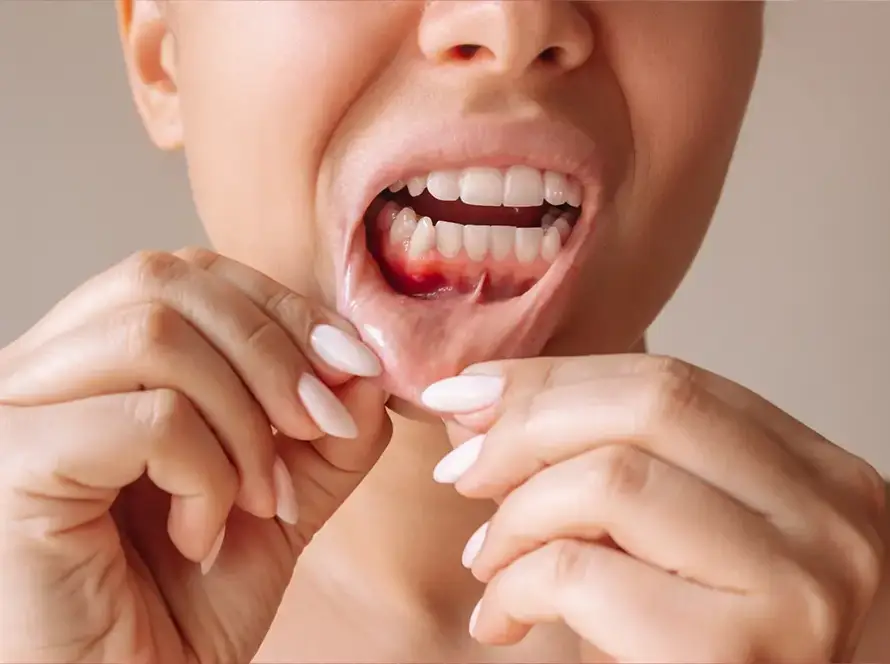

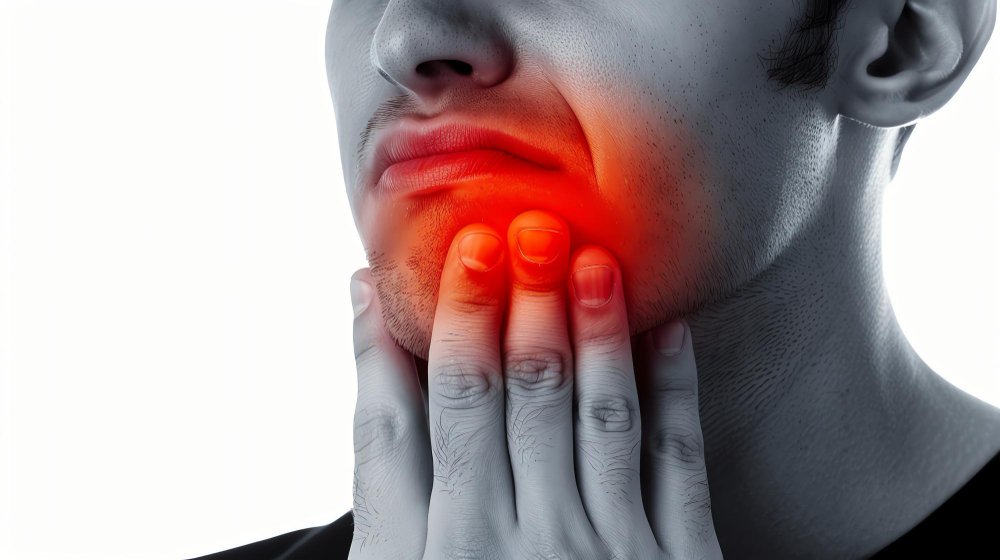
What Are Jaw Problems and Bruxism?
Jaw problems are a common health issue that affects daily life, and conditions such as bruxism (teeth grinding) in particular can have a negative impact on the structure and function of the jaw. Bruxism is a condition in which individuals tend to clench or grind their teeth, either consciously or unconsciously. This behaviour typically arises as a result of psychological or physical factors such as stress, anxiety or sleep disorders.
Symptoms of bruxism include jaw pain, tooth sensitivity, headaches and discomfort in the temporomandibular joint (TMJ). These symptoms may vary depending on the severity and frequency of the bruxism. The causes of jaw pain are also frequently linked to bruxism; regular teeth grinding can lead to overuse of the jaw muscles and, in the long term, joint damage. Furthermore, these issues can negatively affect sleep quality, thereby interfering with individuals’ daily lives.
Understanding the effects of bruxism on general health is a crucial step in determining treatment methods. Treatment for teeth grinding aims to manage these issues and typically involves options such as behavioural therapies, stress management and night guards. Being aware of the problem and taking preventive measures can help keep jaw problems under control before they become more serious.
Bruxism and its symptoms
Bruxism refers to the condition where people grind or clench their teeth whilst asleep or awake. This condition is generally closely linked to a person’s levels of stress and anxiety. Treatment for teeth grinding is an important step in managing these symptoms. The symptoms of bruxism can often lead to physical and emotional consequences that cause distress to the individual.
One of the most common symptoms of bruxism is jaw pain. People may feel tension and stiffness in their jaw muscles. Individuals who experience pain or discomfort in their jaw, particularly upon waking, may be experiencing the effects of bruxism. Among the causes of jaw pain, excessive muscle activity resulting from clenching or grinding the teeth is a significant factor.
Furthermore, teeth grinding can lead to wear and damage to the teeth. Over time, this wear can cause sensitivity and pain. The person may find it difficult to chew hard foods or may experience dental health problems. Furthermore, a reduction in sleep quality is another physical effect of bruxism; as sleep interrupted by grinding can lead to fatigue.
Another significant symptom of bruxism is headaches. Tension-type headaches experienced upon waking in the morning are usually caused by overuse of the jaw muscles. As emotional effects include anxiety, stress and restlessness, the symptoms of bruxism can negatively impact an individual’s quality of life. In this context, effective treatment for teeth grinding is of critical importance both for reducing physical symptoms and managing emotional distress.
Jaw Problems: Causes and Types
Jaw problems represent a common group of conditions that can affect an individual’s quality of life. These problems generally encompass a range of conditions involving the jaw joints, muscles and teeth. Various factors may be responsible for jaw pain. In this context, temporomandibular joint (TMJ) disorders are particularly noteworthy. The TMJ is the joint connecting the skull and the jaw; disorders in this joint can lead to jaw pain, discomfort and issues that may require treatment for teeth grinding.
The causes of jaw problems generally stem from physiological and psychological factors. Stress and anxiety can contribute to teeth grinding by being among the symptoms of bruxism. At this stage, wear on the teeth and tension in the jaw muscles may develop. Over time, this places pressure on the jaw joint, leading to the development of various problems. Additionally, chewing habits, dental alignment issues and trauma can also be counted among the causes of jaw problems.
Types of jaw problems include temporomandibular disorders, jaw muscle tension, teeth grinding and inflammation of the jaw joint. If left untreated, these conditions can lead to more complex problems. It is therefore important to consult a specialist dentist or oral surgeon as soon as symptoms begin, so that appropriate examination and treatment methods can be determined. The treatment process should be tailored to each individual’s circumstances, and specific approaches, such as treatment for teeth grinding, should be applied where necessary.
The Psychological and Physical Effects of Bruxism
Bruxism, or teeth grinding, is a health issue that affects not only the health of the teeth and jaw but also an individual’s psychological well-being. As bruxism is one of the most common causes of jaw pain, it is important to highlight both its physical and psychological effects.
Symptoms of bruxism include tooth wear, tension in the jaw muscles and headaches. However, the psychological effects of bruxism should not be overlooked. Stress and anxiety are among the primary triggers of this condition. In particular, a hectic work schedule or life events can negatively affect a person’s psychological state, thereby encouraging bruxism. Such psychological factors lead to the constant tension of the jaw muscles in daily life, increasing the need for teeth grinding treatment.
Bruxism can also lead to physical problems over the years. Jaw tension, which often develops unnoticed, can cause gum problems or jaw muscle disorders. These conditions can negatively affect the quality of daily life due to jaw pain. In particular, this pain can further negatively impact a person’s mood by reducing the quality of their sleep. Managing bruxism may require a treatment process aimed at improving both physical and psychological health.
In conclusion, bruxism is not merely a physical condition but a complex issue with deep psychological roots. Stress management and psychological support play a significant role in resolving this problem.
Diagnosis of Jaw Problems and Bruxismism’in Tanısı
Bruxism refers to a condition characterised by teeth grinding or clenching, and is often cited as a cause of jaw pain. Dentists and doctors use several different methods to diagnose this condition. Firstly, a detailed consultation is conducted regarding the patient’s medical history and symptoms. At this stage, symptoms associated with bruxism—such as teeth grinding at night, jaw and head pain upon waking in the morning, and tenderness along the edges of the jaw—are investigated.
During the examination, the dentist assesses the jaw muscles to determine whether there is any tension or pain. At the same time, an intraoral examination is carried out to check the level of tooth wear and identify any issues with the temporomandibular joint. Tooth wear may necessitate treatment for teeth grinding associated with bruxism; therefore, the examination process is of great importance.
In addition, various diagnostic methods can be employed. X-rays can be used to provide information about the structure of the jaw joint and the teeth. Specialised imaging techniques may be preferred, particularly to identify potential problems in the jaw joint (temporomandibular joint). These images enable specialists to understand the cause of teeth grinding or other jaw problems more clearly.
In conclusion, the diagnosis of bruxism and related jaw problems is based on the patient’s symptoms and a comprehensive examination. It is this diagnostic process that enables these conditions to be managed appropriately.
Symptoms: Effects on Teeth and Oral Health
Bruxism is a condition that becomes particularly evident during the treatment of teeth grinding and has a negative impact on an individual’s dental health. The symptoms of bruxism provide insight into the causes of tooth wear and jaw pain in particular. This condition typically occurs whilst sleeping at night and may happen unconsciously. Over time, this leads to wear on the tooth enamel and disrupts the natural structure of the teeth.
Worn-down teeth can affect the appearance of the individual’s teeth, leading to aesthetic concerns. Furthermore, tooth sensitivity is one of the common symptoms of bruxism. This sensitivity may increase when consuming hot or cold drinks, causing discomfort in daily life. Prolonged bruxism can pave the way for deep cavities and other more serious dental problems.
In addition, bruxism plays a significant role among the causes of jaw pain. Excessive tension in the jaw muscles can also lead to other health issues such as migraines or headaches. The stress and tension caused by teeth grinding also affect the facial muscles, thereby reducing overall quality of life. Untreated bruxism can disrupt patients’ sleep patterns and lead to the development of additional problems such as headaches.
In short, the symptoms of bruxism and its effects on the jaw can be significantly prevented through teeth grinding treatment. This condition should be taken seriously as it can have far-reaching negative effects on an individual’s oral and dental health.
Jaw Pain and Discomfort
Jaw pain is a common condition experienced by many people and can arise for a variety of reasons. In particular, bruxism—or teeth grinding—is one of the main causes of jaw pain. When treatment for teeth grinding is required, it is crucial to identify the symptoms of this condition in advance. Common symptoms of bruxism include tooth wear, hearing a grinding sound during sleep, and a feeling of stiffness in the jaw muscles in the morning.
Another cause of jaw pain is tension in the chewing muscles. Psychological factors such as stress can lead to these muscles working excessively. Furthermore, problems occurring in the jaw joint can also cause jaw pain. Conditions such as jaw joint dislocation or joint inflammation can become so distressing as to make daily life difficult. Other factors contributing to jaw pain include misalignment of the teeth and malocclusion.
The methods for managing jaw pain generally depend on individual circumstances. It is important to seek professional help when necessary. Furthermore, the use of a night guard, which is recommended as a treatment for teeth grinding, is an effective solution for relaxing the jaw muscles. Additionally, applying warm compresses or using gentle massage techniques may help to reduce muscle tension. It is important to remember that if jaw pain becomes a long-term issue, it is necessary to consult a professional dentist or oral surgeon.
Solutions and Precautions You Can Take at Home
There are some natural methods that can be used at home to treat teeth grinding. These methods can be effective in managing the symptoms of bruxism and reducing the causes of jaw pain. Firstly, it is important to practise relaxation techniques. Stress and tension are the main factors that can exacerbate the symptoms of bruxism. Relaxation methods such as meditation, deep breathing exercises or yoga can help reduce stress levels in daily life.
Furthermore, heat therapy is also one of the recommended alternatives for bruxism. Applying warm compresses to the jaw can help relax the muscles. Furthermore, cold compresses may also help alleviate jaw pain; however, it is advisable to consult a specialist first regarding which method to use.
Additionally, certain lifestyle changes can also contribute to the treatment process for teeth grinding. For example, using a night guard to prevent teeth grinding during sleep can help prevent damage to the teeth and jaw. Reducing alcohol and caffeine intake may be beneficial as it can help reduce muscle tension. If necessary, it is recommended to seek support from a dietitian or healthcare professional. As each individual’s situation is different, solutions should be personalised.
Conclusions and Future Directions
The treatment of teeth grinding, symptoms of bruxism and causes of jaw pain have emerged as a significant health issue in recent times. Jaw problems can affect not only an individual’s physical health but also their social life. Bruxism is a condition generally associated with factors such as stress, anxiety or sleep disorders. For this reason, treatment options must be multifaceted. Individuals should work with their dentists to assess methods such as mouth guards, relaxation techniques and, where necessary, medication.
Causes of jaw pain include tooth wear, overuse of the jaw muscles and misalignment of the teeth. These conditions can lead to both physical discomfort and psychological effects. The treatment process should be managed by a professional dentist, taking these issues into account. Furthermore, integrating lifestyle adjustments and stress management techniques into the treatment process is also important.
In conclusion, the treatment of jaw problems and bruxism is of vital importance for improving individuals’ general health and quality of life. By consulting a dentist regularly and intervening promptly for teeth grinding treatment, one can prevent issues from escalating. The treatment of these conditions plays a critical role not only in terms of dental health but also in terms of individuals’ social and emotional well-being.