

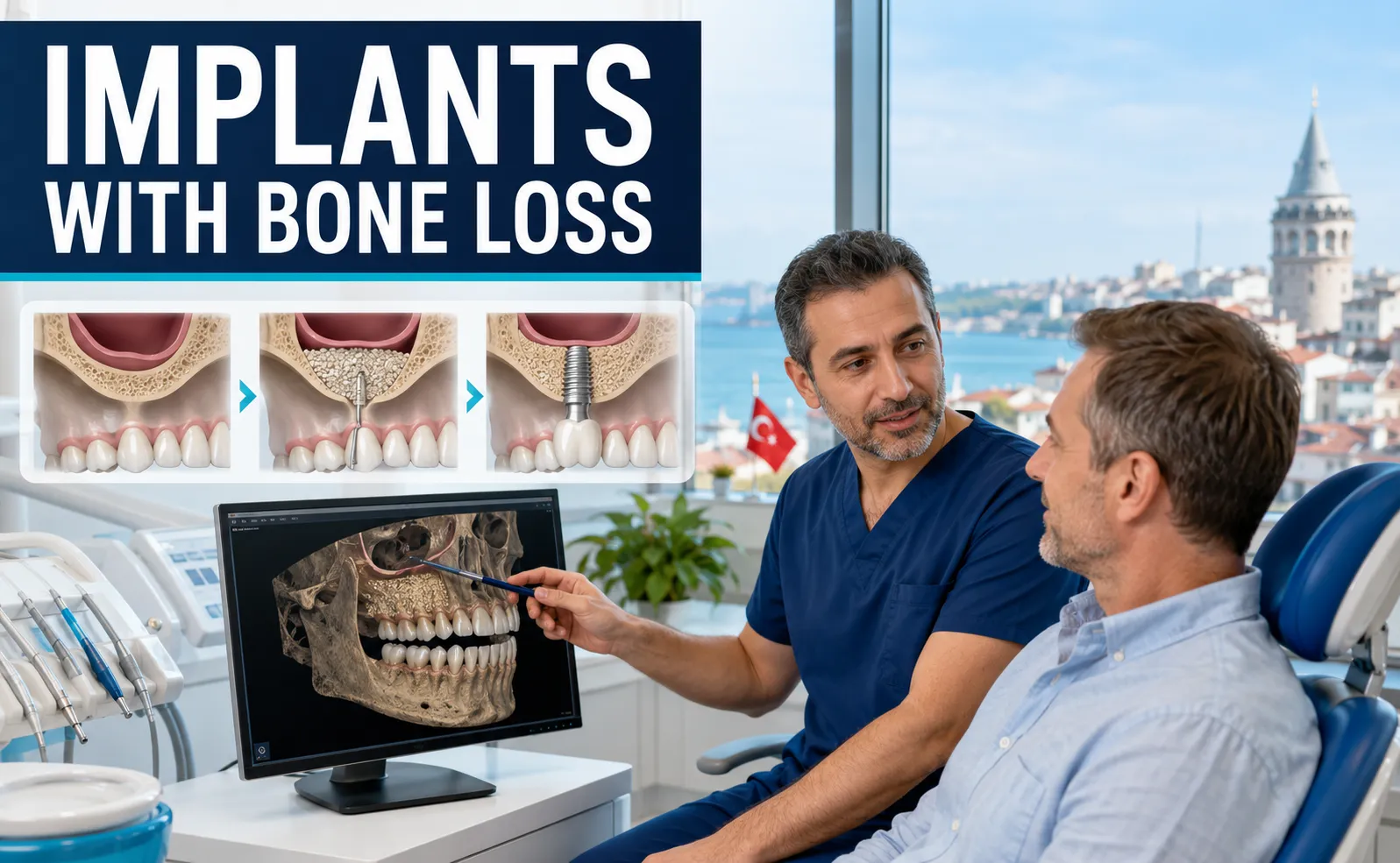
Understanding Dental Implants and Bone Loss
Dental implants are artificial tooth roots, typically made from titanium, designed to support replacement teeth or bridges when natural teeth are absent. They serve as a long-term solution for individuals experiencing tooth loss, offering stability and functionality similar to that of natural teeth. The process involves surgically placing the implant into the jawbone, allowing for osseointegration, a process where the bone grows around the implant, securing it firmly in place.
Bone loss significantly influences the success and feasibility of dental implants in Turkey, particularly in candidates facing the condition. The jawbone requires adequate density and volume to support an implant effectively. When bone loss occurs, often due to periodontal disease, tooth extraction, or prolonged denture use, it can compromise the structural integrity needed for successful implantation. Consequently, the risk of implant failure is markedly increased.
Statistics indicate that a substantial number of individuals seeking dental implants have significant levels of bone loss. Research shows that approximately 30% of adults over 65 experience some form of edentulism (tooth loss), and up to 50% of these individuals might also face bone density issues. This underscores the importance of a thorough evaluation of the bone condition before proceeding with dental implants.
Furthermore, the impact of bone loss extends beyond the technical aspects of implant placement. It can lead to adverse effects on a person’s oral function, affecting chewing, speaking, and overall aesthetics. Addressing bone loss through various treatments, such as bone grafting or sinus lifts, is essential before considering dental implants in Turkey with bone loss to restore both function and confidence in patients undergoing dental restoration procedures.
The Importance of Bone Grafts in Implant Dentistry
Dental implants in Turkey with bone loss often necessitate the use of bone grafts to ensure a successful and stable foundation for the implant. Bone grafting is a surgical procedure that involves transplanting bone tissue to enhance the volume and quality of the jawbone, providing the necessary support for dental implants. Understanding the nuances of bone grafting is crucial for patients considering this treatment.
There are several types of bone grafts, each tailored to meet specific needs and conditions. Autografts are derived from the patient’s own body, typically taken from another area of the jaw or pelvis. This type of graft is advantageous because it eliminates the risk of rejection and the body often accepts it readily. Allografts come from a human donor and are processed to ensure safety; they are a viable option for many patients. Xenografts are sourced from animals, usually bovine, and provide a scaffold for new bone growth. Synthetic options, including biocompatible materials, are also available, allowing for greater flexibility and advanced methodologies in dental implant procedures.
Bone grafting becomes particularly essential for patients who exhibit insufficient bone volume in a particular area of the jaw due to past dental extractions, periodontal disease, or developmental issues. In such cases, the integration of a graft not only improves the bone structure but also enhances the potential success rate of the dental implants. While there are significant benefits to bone grafting, including restoring function and aesthetics, there are also drawbacks, such as the additional time required for healing and potential complications from the graft site.
In conclusion, for individuals seeking dental implants in Turkey with bone loss, understanding the role of bone grafts is vital. The choice of graft type and the timing of the procedure can significantly influence the outcome, making it imperative to consult with specialists in implant dentistry for tailored solutions.
Sinus Lifts: A Solution for Upper Jaw Bone Loss
Dental implants in Turkey with bone loss are an important option for individuals seeking restorative dental solutions. One common procedure utilized to address insufficient bone height in the upper jaw is the sinus lift. This surgical technique aims to augment the bone in the area of the maxillary sinuses, making it suitable for implant placement.
The sinus lift procedure begins with the administration of anesthesia to ensure patient comfort. The dentist then makes an incision in the gum tissue, exposing the bone. A small window is created in the bone, allowing access to the sinus membrane. The membrane is then carefully lifted upwards, creating a space into which bone graft material is placed. This material can be sourced from the patient’s own body, a donor, or be synthetic. The placement of this graft encourages new bone growth, providing a solid foundation for future dental implants.
Indications for a sinus lift often include patients who have experienced bone loss due to periodontal disease, trauma, or long-term tooth loss. These factors can contribute to the minimal bone volume required for successful dental implant placement. By performing a sinus lift, dental professionals can increase the vertical bone height, leading to improved stability for implants.
Expected outcomes of a sinus lift are generally favorable, with many patients achieving sufficient bone volume for implant placement within a few months post-surgery. However, like any surgical procedure, there are potential complications, which may include infection, sinusitis, or the dislocation of the graft material. Therefore, thorough preoperative assessments and consultations are essential in minimizing risks.
The recovery time following a sinus lift varies based on individual healing rates and the extent of the surgery. Typically, patients can expect to rest for a few days, with full recovery before the dental implants are inserted taking around 4 to 6 months. Understanding the process and outcomes associated with a sinus lift is crucial for those considering dental implants in Turkey with bone loss, ensuring informed decision-making in their dental care journey.
Assessing Treatment Options for Bone Loss
For individuals facing the challenges of dental implants in Turkey with bone loss, it is essential to explore various treatment alternatives that can offer effective solutions. Bone loss can significantly impact the possibility of a successful dental implant procedure; however, there are several treatment options available, each with its own merits and drawbacks.
Dental bridges represent one popular alternative to implants. They are designed to fill the gap created by missing teeth by anchoring to adjacent teeth. One primary advantage of dental bridges is their relatively straightforward installation process, which does not require surgical intervention. However, they may necessitate the alteration of the healthy surrounding teeth, which can lead to additional complications in oral health over time.
Another option is dentures, which can be either complete or partial depending on the extent of tooth loss. While dentures are less invasive than implants and can be a cost-effective solution, they do come with their own challenges, such as potential discomfort and the need for regular modifications due to changes in the jaw structure over time. Long-term reliance on dentures may not guarantee stability or function comparable to that of dental implants.
In recent years, advancements in implant dentistry have paved the way for new methodologies that cater specifically to patients with bone loss. Procedures such as bone grafting or the use of zygomatic implants can enhance the potential for successful outcomes. These innovative approaches allow the integration of implants even in areas where bone density is compromised, expanding options for patients who may have previously been deemed unsuitable for traditional implants.
While contemplating dental implants in Turkey with bone loss, it is crucial for patients to carefully weigh these various alternatives. A thorough discussion with a dental professional can provide personalized insights and facilitate a decision-making process tailored to individual needs and circumstances.
The Role of 3D Imaging in Treatment Planning
3D imaging technology has revolutionized the field of dentistry, particularly in the planning of dental implants in Turkey with bone loss. Traditional 2D imaging techniques, while valuable, often lack the depth and detail needed for accurate diagnosis in complex cases. With the advent of 3D imaging, dental professionals can now visualize the oral anatomy in a comprehensive manner, allowing for more precise treatment planning.
For patients considering dental implants in Turkey with bone loss, the need for an accurate assessment of bone structure is paramount. 3D imaging provides detailed views of the bone density and volume, enabling clinicians to determine the suitability of implant placement. This advanced imaging solution helps identify potential challenges that may arise due to inadequate bone support, thus steering the treatment plan in the right direction.
Additionally, through the use of 3D imaging, practitioners can simulate various surgical approaches. This allows for tailored treatment plans that consider individual anatomical variations. By visualizing the specific implant sites in relation to the surrounding structures, dentists can make informed decisions regarding the most effective type of implant and techniques necessary for successful integration, even in cases of significant bone loss.
Moreover, this technology enhances communication between the dentist and patient. With visual aids derived from 3D images, patients can understand their condition better, the necessary procedures, and the overall approach to their dental care. This transparency fosters a sense of trust and confidence, essential elements for any patient undergoing complex dental treatments.
In conclusion, 3D imaging plays a critical role in the planning and execution of dental implants in Turkey with bone loss. By providing comprehensive visualizations, it enhances diagnostic accuracy and paves the way for successful treatment outcomes, significantly benefiting the overall patient experience.
The Process: From Consultation to Implant Placement
The journey for patients considering dental implants in Turkey with bone loss begins with an initial consultation. This crucial first step allows the dental professional to gain a comprehensive understanding of the patient’s oral health, discuss their treatment goals, and review their dental history. During this phase, patients are encouraged to ask questions to clarify any uncertainties about the procedure.
Following the consultation, a detailed assessment is conducted, which typically includes imaging techniques such as X-rays or 3D scans. These diagnostic tools are essential for evaluating the current state of the jawbone and identifying areas where bone loss may have occurred. The imaging results enable dental specialists to determine the best approach for the patient’s specific needs.
If significant bone loss is detected, preparatory procedures may be necessary before proceeding with the dental implants in Turkey with bone loss. Bone grafting is commonly performed to augment the jawbone, providing a solid foundation for the implants. This procedure involves taking bone from another area of the patient’s body or using synthetic materials to enhance the bone structure. In some cases, a sinus lift may also be required if implants are to be placed in the upper jaw, ensuring adequate height and volume for successful placement.
Once the preparation phase is complete and sufficient healing has occurred, the next step is the actual implantation procedure. The dental surgeon will carefully insert the titanium implants into the prepared sites in the jawbone. This procedure is typically done under local anesthesia, and patients can expect some post-operative discomfort, which is manageable with prescribed medications.
Throughout each stage, it is vital for patients to maintain open communication with their dental team to ensure a thorough understanding of their treatment plan. By following these structured steps, patients can achieve successful results with their dental implants, even in the context of existing bone loss.
Recovery and Aftercare for Dental Implants
The recovery process following dental implant surgery, particularly in cases of bone loss, is crucial for ensuring the long-term success of the treatment. Patients who undergo dental implants in Turkey with bone loss often require additional procedures such as bone grafting or sinus lifts. These adjunctive treatments can affect the healing timeline and the overall aftercare plan.
Immediately after the surgical procedure, it is common for patients to experience swelling, bruising, or mild discomfort at the implant site. Pain management typically involves over-the-counter pain relievers and, if necessary, prescription medications as advised by the dental specialist. It is important to follow the recommended dosage and timing for these medications to help minimize discomfort during the healing period.
Post-operative care is essential in promoting proper healing. Patients are generally advised to rest for the first few days following the implants’ placement. Adequate hydration and nutrition are also critical; soft foods are recommended during the initial recovery phase to avoid stressing the surgical site. Maintaining oral hygiene is paramount, but care should be taken to avoid the implant area too intensely for the first week.
Throughout the recovery, it is imperative for patients to monitor their healing process closely. Signs of complications may include persistent or increasing pain, unusual swelling, fever, or a bad taste in the mouth, which could indicate infection. Regular follow-up appointments with the dental team will help ensure that the healing process is on track and any concerns are addressed promptly.
In conclusion, the recovery from dental implants in Turkey with bone loss requires careful attention to aftercare and communication with healthcare professionals. By adhering to post-operative guidelines and being vigilant about potential complications, patients can significantly enhance the likelihood of successful outcomes from their dental procedures.
Success Rates and Long-Term Considerations
The success rates of dental implants in Turkey with bone loss are influenced by various factors, making it essential to understand these dynamics for prospective patients. Typically, dental implants exhibit a high success rate, averaging around 95% for individuals without significant risk factors. However, when bone loss is present, the success rates can vary based on several conditions, including the quality of the remaining bone and the overall health of the patient.
Bone quality is a critical factor in determining the success of implants in patients experiencing bone loss. Higher bone density often correlates with better stability for the implants. Consequently, patients with compromised bone structures may require additional procedures, such as bone grafting, which can positively influence the success of dental implants by restoring sufficient bone mass. These preliminary interventions, while adding to the overall treatment time, are vital for ensuring a robust foundation for the implant.
Another significant aspect is the patient’s overall health. Conditions such as diabetes, smoking, and periodontal disease can contribute to complications following dental implant surgery, potentially leading to lower success rates. Compliance with aftercare protocols is paramount. Patients who diligently follow post-operative care instructions, including oral hygiene practices and regular dental check-ups, tend to have better outcomes. These practices not only enhance the longevity of the dental implants but also contribute to the long-term health of the surrounding gums and bone structure.
To ensure optimal results post-implantation, it is recommended that patients maintain regular dental visits and employ good oral hygiene measures. Additionally, lifestyle adjustments such as quitting smoking and controlling blood sugar levels are crucial for enhancing the success of dental implants in Turkey with bone loss. By focusing on these areas, patients can maximize the longevity and effectiveness of their dental implants, ensuring a healthy smile for years to come.
Choosing the Right Dental Professional in Turkey
Selecting the appropriate dental professional for procedures involving dental implants in Turkey with bone loss is crucial for ensuring successful treatments and positive outcomes. A few key factors should be prioritized when making this important decision.
First, consider the qualifications and credentials of the dentist. It is essential to verify that the practitioner is licensed and has specialized training in implant dentistry. Many dental professionals in Turkey are affiliated with recognized organizations, which can further affirm their expertise in the field.
Experience plays a significant role in a dentist’s ability to perform complex procedures like dental implants. Inquire about the number of successful implant procedures performed, specifically in cases involving bone loss. An experienced dentist will have dealt with a variety of scenarios, enabling them to provide tailored treatment solutions based on individual needs.
The quality standards of the clinic also warrant careful consideration. Look for clinics that are equipped with modern technology and adhere to high hygiene standards. Clinics with certifications and international accreditations can often provide assurance of their commitment to quality care.
Patient reviews can be a valuable resource in identifying the right professional. Research online testimonials and ratings to gain insight into the experiences of past patients. Pay attention to feedback about the dentist’s communication skills, professionalism, and the comfort level experienced during procedures.
Initial consultations provide a great opportunity for potential patients to assess a dental professional’s suitability. Prepare a list of questions encompassing treatment options, expected outcomes, and potential risks associated with dental implants in Turkey with bone loss. This dialogue will help establish trust and clarify any concerns you may have.
In conclusion, choosing the right dental professional is vital for achieving successful outcomes in dental implant procedures. By considering qualifications, experience, clinic standards, and patient reviews, individuals can make informed decisions that align with their dental needs.


 EN
EN  BG
BG  DE
DE  FR
FR